

By Payusnomind · Nov 3, 2024
Free
Symphonic runs on two tracks.
Starter:
You pay for distribution
Partner:
You pay nothing up front, they take a share
Most artists are on Starter.
Which means no added support, no marketing, no development, just distribution.
With Symphonic, your releases are exclusive. That means you can’t upload the same music elsewhere, you can’t directly license it, and you need approval for outside use. Even platforms like SoundCloud or Bandcamp could technically require permission. That’s a major constraint.
You don’t see the full agreement until after you pay. That’s not normal. And it puts you in a position where you’re committing before fully understanding the terms
If your music gets removed for any reason, you pay $20 per release. That includes copyright claims and fraud accusations. That’s another layer of risk.
Symphonic requires identity verification. It’s also part of broader fraud enforcement systems. That means potential bans, shared databases, and identity-based restrictions. This isn’t unique to Symphonic, but it matters more when combined with exclusivity.
Symphonic works if:
You’re aiming for a Partner deal
You’re building within their ecosystem
It doesn’t work as well if:
You just want distribution
You want flexibility
Against TuneCore:
TuneCore is open and flexible
Symphonic is controlled and restricted
Against Too Lost:
Too Lost gives you tools
Symphonic gives you structure
Against Venice:
Venice offers support upfront
Symphonic offers opportunity later
EDM artists.
Artists aiming for label-style deals.
Artists willing to trade control for opportunity.
Artists needing flexibility.
Artists wanting transparency.
Artists not pursuing Partner-level relationships.
You’re trading control for potential opportunity. That’s a label-style trade. Not a distribution one.
Flexibility
Low
Opportunity
High (but not guaranteed)
Transparency
Poor
Risk
Moderate to high
Value
Dependent on goals
Symphonic isn’t just a distributor. It’s a funnel into something bigger. The problem is most artists never reach that next level — and are left with a restricted distribution setup that offers no real advantage over simpler platforms.
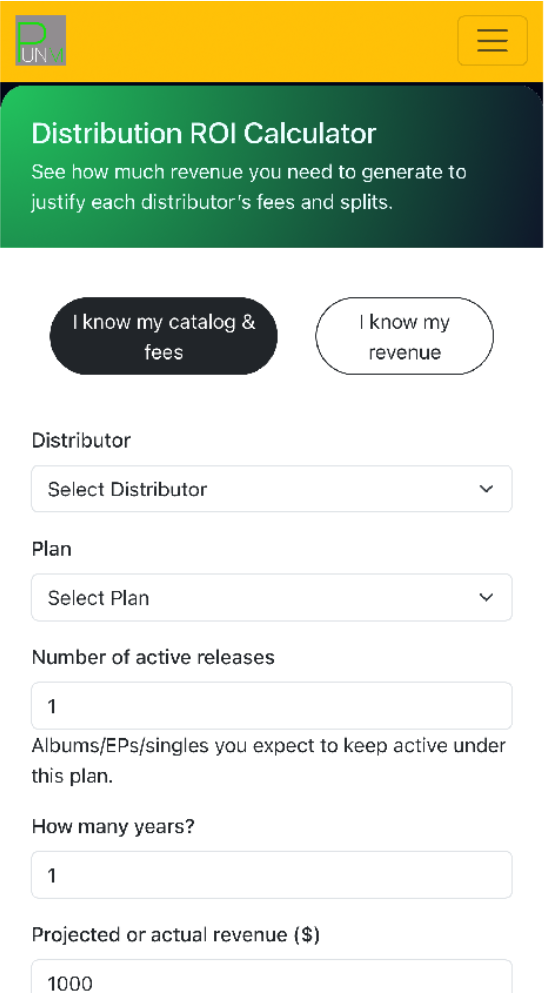
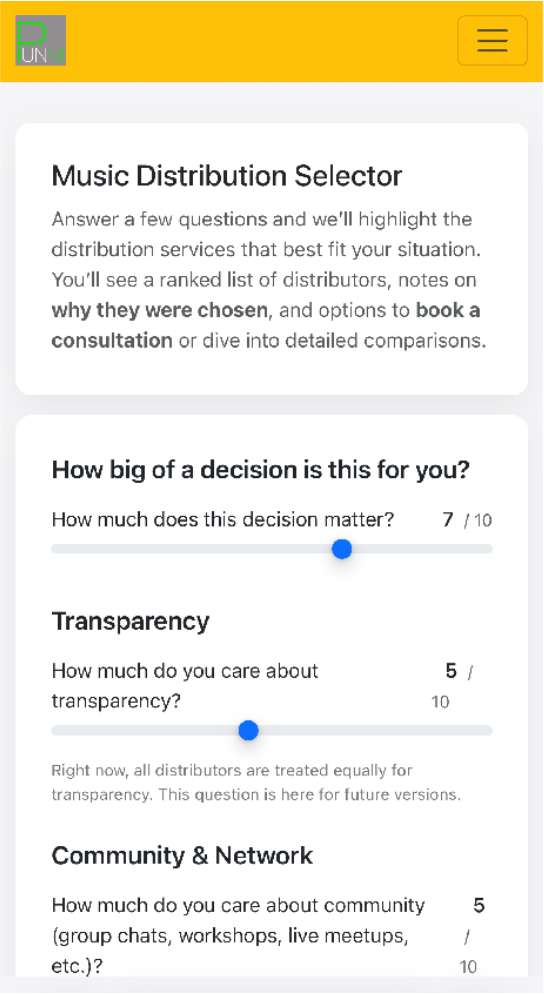
Use the Distribution Selector to see if Symphonic fits your goals.
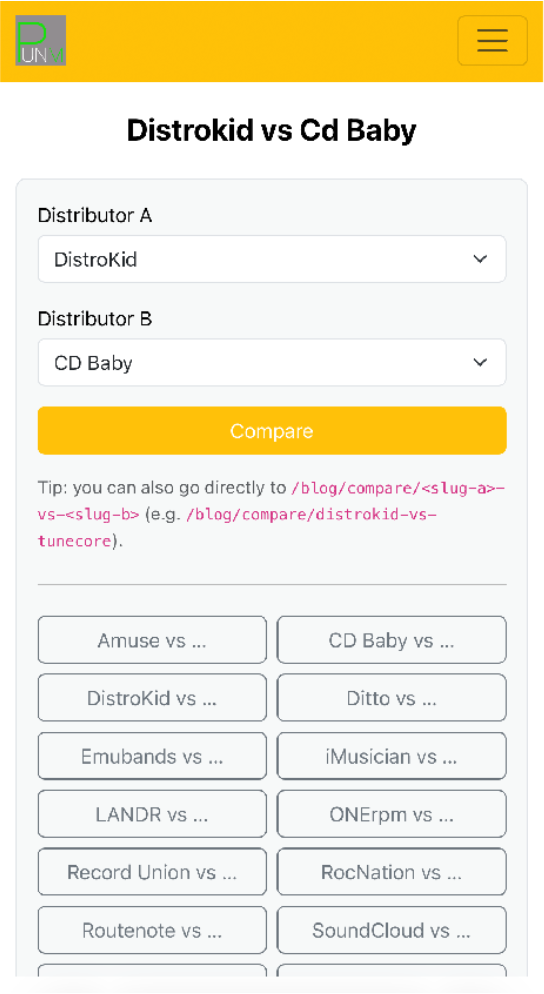
If you’re considering it for long-term growth, compare it against platforms that offer support without exclusivity.
If you’re unsure about the contract implications, book a consultation before committing.